ACL & Cruciate Ligament Surgery for Dogs in Brisbane
Torn ACLs in dogs are a common injury treated at our Eagle Farm clinic. Sometimes it's a young Staffordshire Bull Terrier who lands awkwardly chasing a ball. Other times it's an older Labrador whose knee has been wearing out for months, until the limp no longer goes away. Vets also call this a cruciate ligament injury, and it's the injury we treat most often.
We offer four types of ACL dog surgery: TPLO, CBLO, the Modified Maquet Procedure (MMP) and Zlig. You'll know the price before you book, and in most cases your dog comes home with you that evening.
Scroll down to compare surgery options and costs, or book a consult today.
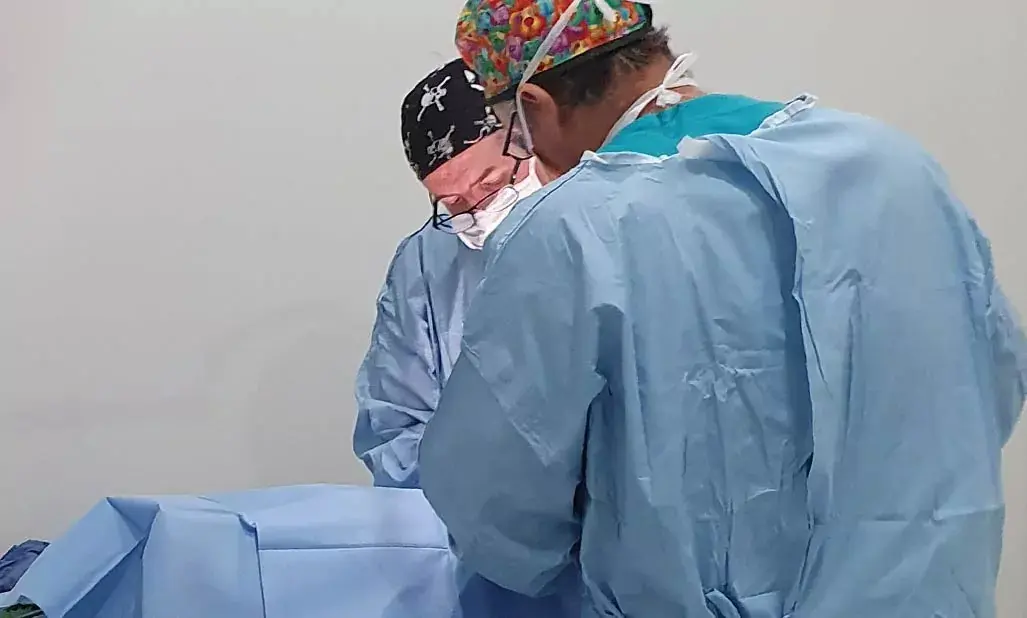
Tibial Plateau Levelling Osteotomy (TPLO)
TPLO levels off the top of the shin bone, so the knee stays stable without relying on the torn cruciate ligament. It has a long track record in large dogs, and it works for smaller dogs too.
CBLO (CORA based TPLO)
CBLO combines elements of TPLO and TTA-style surgery. It suits any size of dog and is less likely to cause a fracture in small breeds. It usually allows dogs to return to lead walks sooner.

Modified Marquet Procedure (MMP)
MMP uses a single bone cut. A small titanium Orthofoam wedge then changes the way the knee bears weight. It is best suited to medium to large breeds.

Zlig
Zlig replaces what the torn ACL used to do with a synthetic ligament, and there's no bone cutting. It's designed mainly for dogs between 5 and 45 kg.
Compare ACL Surgery for Dogs at Brisbane Pet Surgery
All four surgeries stabilise the knee, but they work in different ways. Which one suits your dog depends on their size, age, activity level and the shape of their knee. The recovery plan and care needed at home are also important when choosing a procedure.
| Procedure | TPLO | CBLO | MMP | Zlig |
|---|---|---|---|---|
| How it works | Reshapes the top of the shin bone so the knee no longer relies on the ACL | Circular cut below the knee changes how the thigh bone sits on the shin bone | Moves the front of the shin bone forward with a wedge (a type of TTA) | Replaces the torn ACL with a synthetic ligament implant |
| Bone cutting | Yes | Yes | Yes (single cut) | No |
| Implant | Bone plate and screws | Custom bone plate and compression screw | Titanium Orthofoam wedge | Synthetic ligament secured with screws |
| Best suited to | All sizes, well proven in large breeds | All sizes, lower fracture risk in small dogs | Medium to large breeds | Dogs 5–45 kg |
| Recovery guide | About 8 weeks of strict rest, then 2–4 weeks of controlled exercise; normal activity around 3–4 months | Rest initially; lead walks from about 6 weeks, as advised | Initial rest 4–6 weeks; full off-lead activity around 12 weeks, as advised | About 1 month of rest, then another month of lead walks and restricted activity |
| Price guide | $3,500 – $4,400 | $3,500 – $4,400 | $3,300 – $3,800 | $4,500 – $5,500 |
What Is a Torn ACL or Cruciate Ligament Injury in Dogs?
The anterior cruciate ligament (ACL) is a tough band of tissue inside your dog's knee, or stifle. It joins the thigh bone (femur) to the shin bone (tibia), and its job is to stop the shin bone sliding forward every time your dog takes a step.
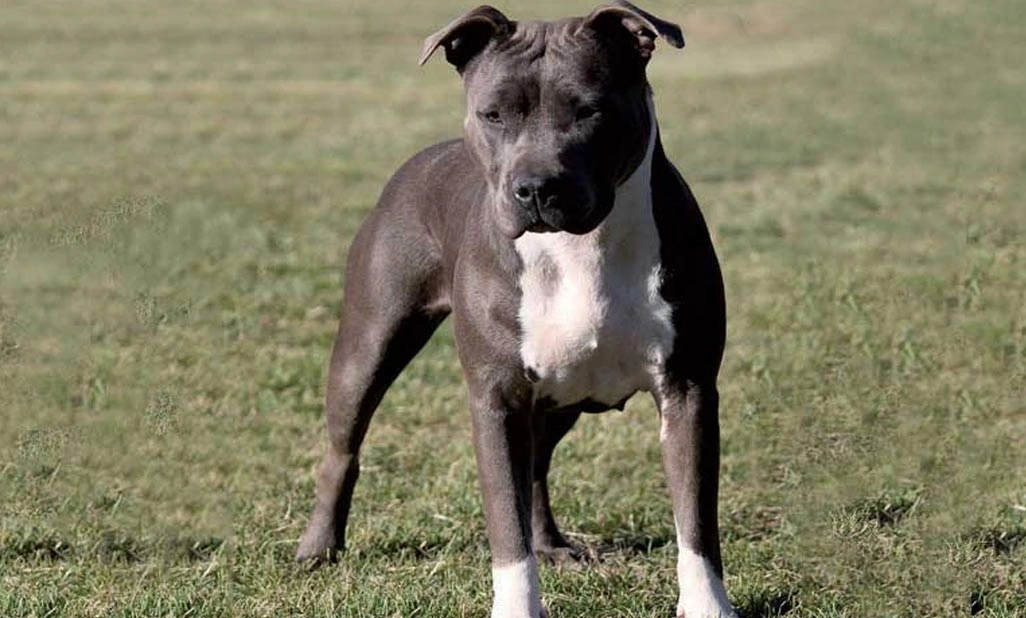
The ACL It is not designed to cope with excessive aggressive change in direction. This is the cause of failure. A quick turn at the park or a jump off the back step may be enough for it to tear. Extra weight puts more strain on the joint. Some breeds are also more likely to have trouble, including Labradors, Rottweilers, Staffordshire Bull Terriers and Mastiffs.
Once the ligament tears, the knee becomes painful and your dog may start limping straight away. The instability can wear down cartilage and damage the meniscus, the cushion between the bones, leading to arthritis. More information about why the ligament gives way is available in the article on common causes of ACL tears in dogs.
Scout a 7 year old border collie before ACL surgery
Signs of a Torn ACL in Dogs
Signs of a torn ACL can vary. Some dogs yelp and hold their leg up during a run. Others have a limp that comes and goes over several weeks. Owners often notice:
- Limping on a back leg, or holding it up, usually worse after a walk or active play
- Getting up slowly after a nap, then loosening up once they're moving
- Sitting with one back leg extended to the side rather than tucked underneath
- Hesitating before jumping into the car or onto the couch
- A firm swelling on the inner side of the knee
- One thigh looking thinner than the other
- A click from the knee as they walk
If you notice these signs, bring your dog in for a consult. A torn ACL can often be identified by examining the knee. If another cause is suspected, the vet can explain the findings and recommended next steps.
Dr Scot diagnosing ACL tear
Diagnosing a Torn ACL in Dogs
A complete tear can often be confirmed by hand. The vet holds the thigh bone steady and gently moves the shin bone. If it slides forward abnormally, this indicates that the ligament is no longer holding the joint steady. Vets call this a positive cranial drawer sign.
Some dogs need knee or hip x-rays, sometimes under anaesthetic. An x-ray can show swelling, arthritis or other joint problems, but it doesn't show the ligament itself. X-rays aren't always needed to diagnose a torn ACL. The vet can advise whether they're needed for your dog.
Sometimes the knee is sore but still stable, and the hips, hocks and back all check out normally. This may indicate a strain or partial cruciate tear. Some dogs improve with two to four weeks of rest, short lead walks and weight loss if needed. Veterinary assessment and follow-up help determine whether surgery is necessary.
Cruciate Ligament Surgery for Dogs at Brisbane Pet Surgery
Unfortunately, a fully torn ACL won't repair itself. Surgery is the most dependable way to stabilise the knee again and help your dog walk more comfortably.
We perform four types of ACL dog surgery: TPLO, CBLO, the Modified Maquet Procedure (MMP), which is a type of TTA, and Zlig an artificial ACL replacement.
Each procedure has its benefits and limitations. A consultation covers the options, including cost, recovery time and what suits your dog's build, to help you make an informed decision for your dog and your family.
We perform more than 250 ACL surgeries a year. A typical general practice might perform 10 or 20. This experience supports quality care at an affordable price.
ACL Dog Surgery Cost at Brisbane Pet Surgery
At Brisbane Pet Surgery, ACL surgery for canines costs between $3,300 and $5,500. Where your dog falls in that range depends on the technique and how much they weigh:
- TPLO: $3,500 – $4,400
- CBLO: $3,500 – $4,400
- MMP: $3,300 – $3,800
- Zlig: $4,500 – $5,500
Dogs shouldn't have to go without the surgery they need because of the price. The high volume of cruciate ligament surgery we perform helps keep costs down, with those savings passed on to pet owners.
Optional pre-anaesthetic blood test available for all surgeries (additional cost).
If you need to spread the cost of your dog's surgery, we offer Zip Pay, Vet Pay and Medipay. If you have pet insurance and your insurer participates in GapOnly, we can process your claim so you only pay the gap on the day. Eligibility, fees and conditions apply. See the pricing guide for details.
Aftercare
of function back within a month
short lead walks start
until full off-lead play
home after surgery for the majority of patients
Recovery After ACL Surgery for Dogs
Each surgery has its own recovery plan, and you'll take home written instructions for your dog. The time needed for rest and a return to exercise depends on the procedure and how the knee is healing.
Expect at least four weeks of crate or small-pen rest, with longer restrictions for some procedures. Short toilet walks may start from day one if advised by your surgeon. Keep your dog on lead and increase walks only as directed in their recovery plan.
Some dogs begin using the leg soon after surgery, but the knee still needs time to heal. Limited off-lead activity may be possible at 8 to 10 weeks, with full play around 12 weeks for some procedures. TPLO recovery can take three to four months. Your surgeon can advise when your dog is ready for each stage.
Tip: Recovering in the Brisbane heat from October through to March, do rehab walks first thing in the morning or after the sun drops, and stick to grass or shade where you can. Put the crate somewhere cool with a fan nearby. A hot dog stuck in a crate gets restless, and restless dogs are the ones who try to jump while the knee is still healing.
Molly 2 year old labrador - recovery post Zlig surgery
What Happens If a Torn ACL Isn't Treated?
If the ACL is completely torn, surgery is usually the most reliable way to stabilise the knee. Without treatment, the instability can wear down cartilage, damage the meniscus and lead to painful arthritis. The options depend on your dog's individual needs and can be discussed at a consultation.
Bone spurs (osteophytes) can develop as arthritis progresses, especially in larger dogs. These changes are permanent. Surgery can improve stability but can't reverse existing arthritis, so a persistent limp should be checked early.
Dog ACL Surgery FAQs
A torn ACL is a partial or complete tear of the anterior cruciate ligament, which helps hold a dog's knee steady. It's the knee injury we treat most often. A tear can cause pain and instability, with arthritis developing over time.
Yes. ACL is the term many people recognise from sports injuries. In dogs, it is also known as the cruciate ligament. If your vet mentions a cruciate ligament injury, they're referring to this ligament in your dog's knee.
Watch for a limp on a back leg, stiffness after lying down, sitting with one leg out to the side, reluctance to jump, or swelling on the inner side of the knee. A vet can usually confirm a torn ACL with a hands-on check of the knee.
ACL surgery costs $3,300 to $5,500, depending on the technique and your dog's weight. MMP starts at $3,300, Zlig at $4,500, CBLO at $3,500 and TPLO at $3,500. You can spread the cost with Zip Pay, VetPay or Medipay.
It depends on your dog's size, build and activity level. TPLO has a long track record in large breeds, while CBLO also suits dogs of different sizes. MMP is often a good match for small and medium dogs. Zlig avoids bone cutting and is designed mainly for dogs between 5 and 45 kg. A suitable option is recommended based on your dog's examination.
Recovery varies by procedure. Some dogs start using the leg soon after surgery, but rest and controlled lead walks are still needed while the knee heals. The majority return to full off-lead play by 12-16 weeks. Follow the written plan your surgeon gives you.
A strain or partial tear may improve with rest, controlled lead walks and weight loss if needed. A complete tear won't heal back together, and the knee remains unstable. Torn ACL surgery is usually the most reliable way to stabilise the joint. A veterinary assessment helps determine the most suitable treatment for your dog.
Yes. Cruciate disease can affect both knees, and some dogs that tear one ACL later tear the other. Keeping your dog at a healthy weight and following the rehabilitation plan helps reduce strain on their joints.
No, you can book with us directly. If your regular vet has already seen your dog, bring their notes along, and we can keep them updated after surgery.
Is your dog showing signs of a cruciate injury?
Book A Consult
Does your furry friend need to meet with one of our experienced veterinarians? Book a consultation below or call our team today